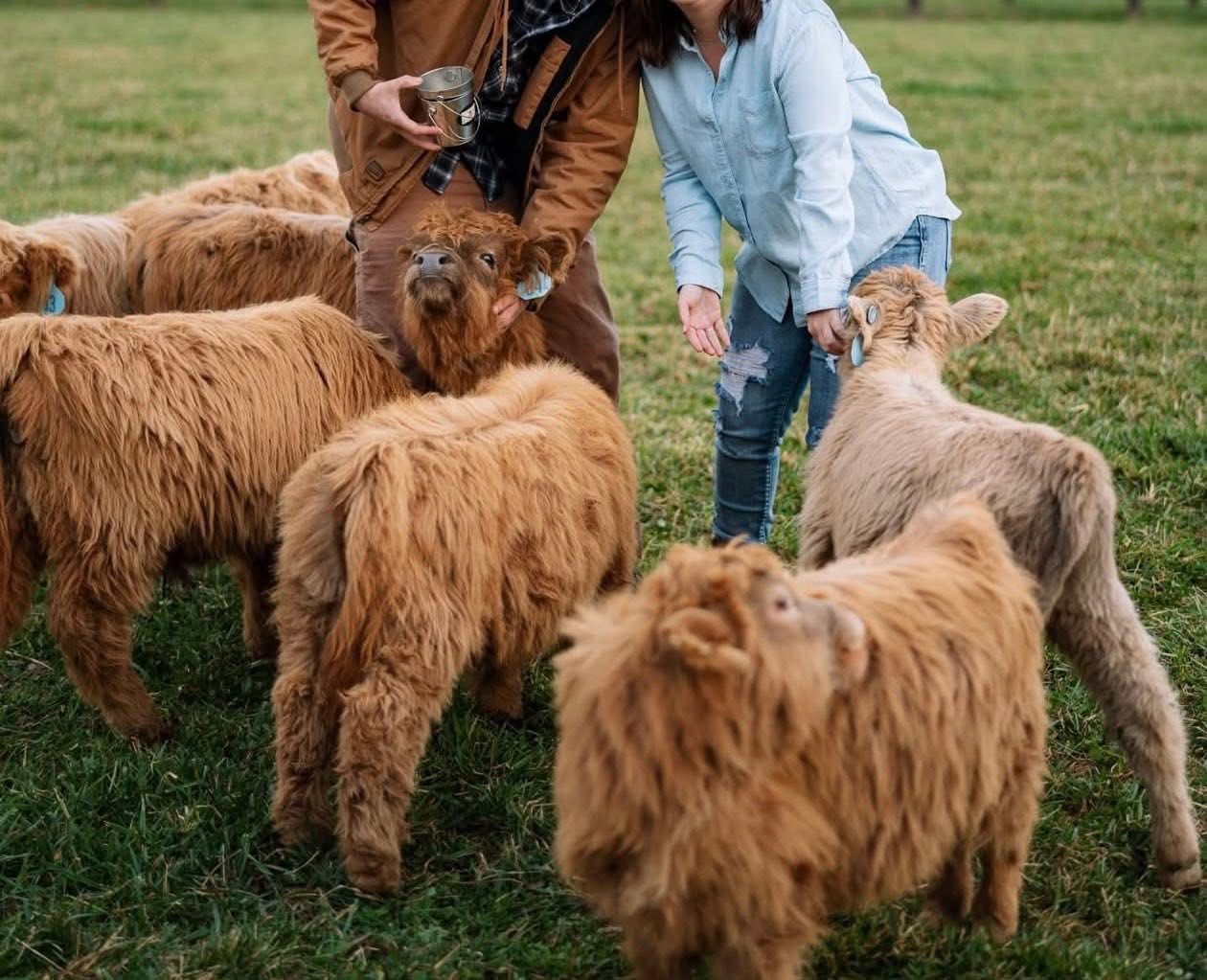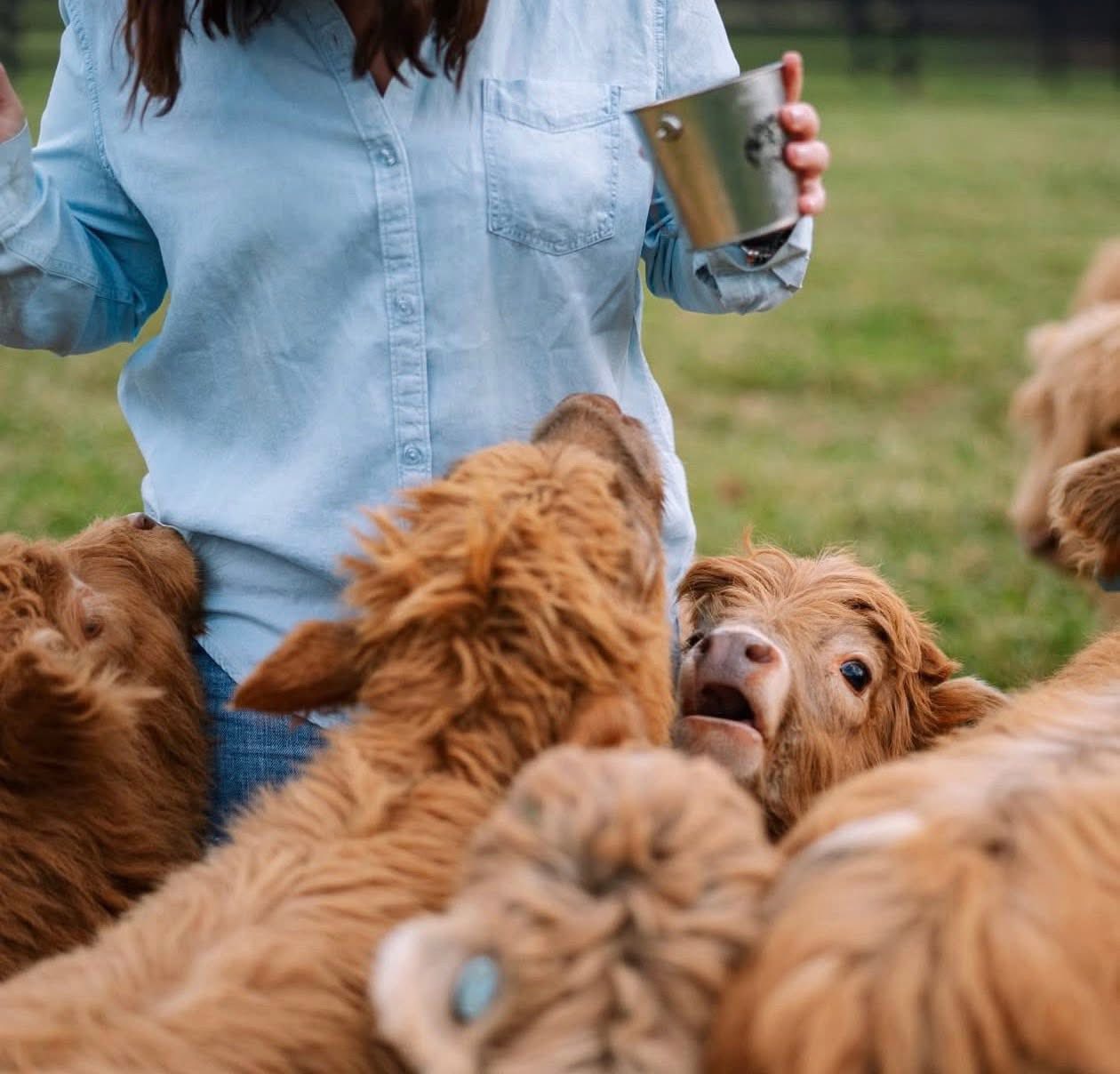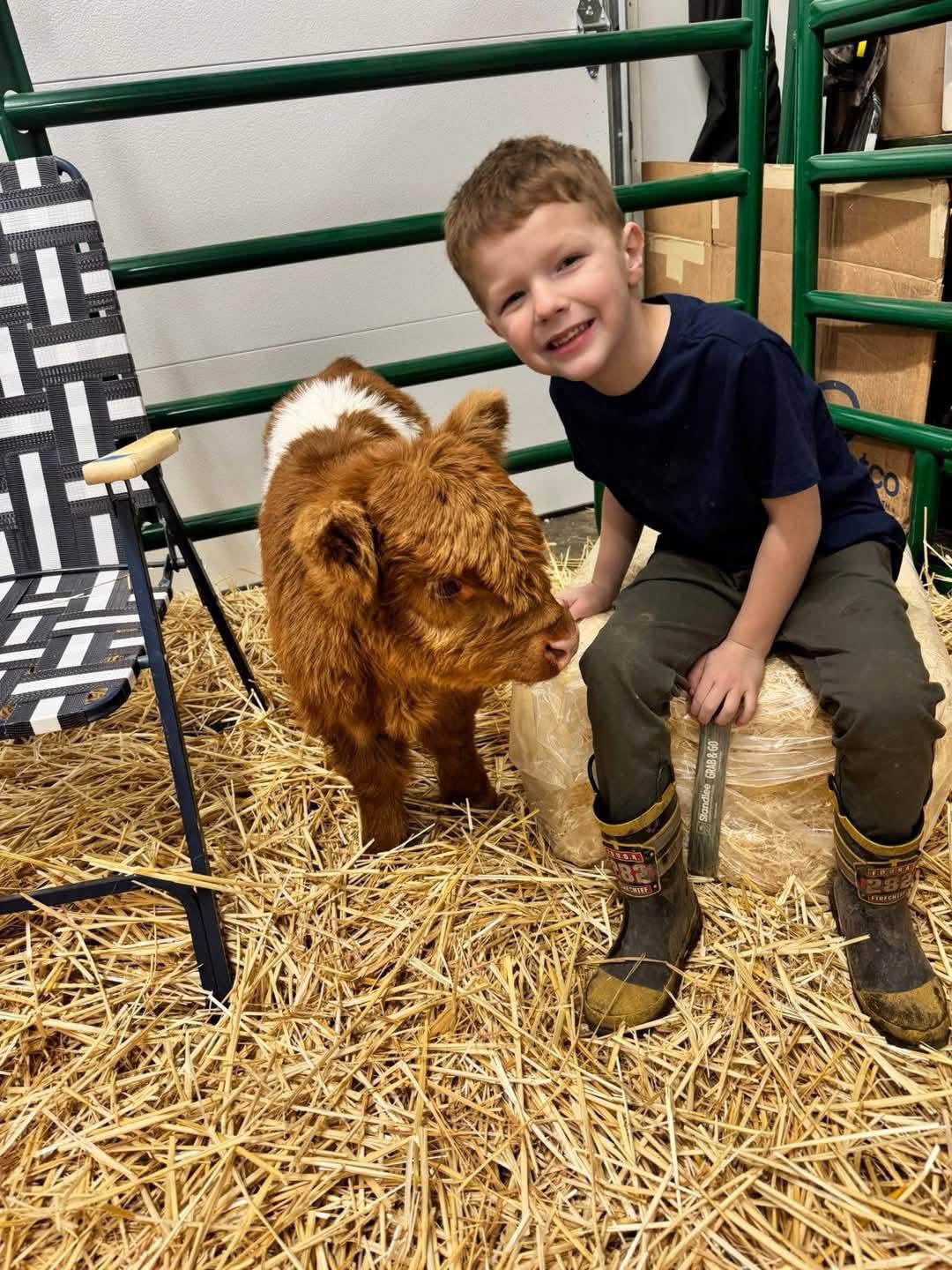
Miniature Highland cows are one of the most charming and low-maintenance livestock breeds you can own. Their fluffy coats, gentle dispositions, and compact size make them perfect for small acreage owners, hobby farmers, and families. However, like any animal, they have specific needs to thrive. In this guide, we'll cover everything you need to know about caring for your miniature Highland cow.
1. Feeding Your Miniature Highland Cow
Miniature Highlands are efficient grazers and require less food than standard-sized cattle. A typical adult mini Highland weighs between 500-700 pounds and eats about 1.5-2% of their body weight in forage daily.
- Pasture Grass: High-quality pasture grass should make up the majority of their diet.
- Hay: During winter or dry seasons, supplement with good-quality grass hay.
- Mineral Supplements: Provide a loose mineral mix formulated for cattle.
- Fresh Water: Always provide clean, unfrozen water.
2. Shelter and Fencing Requirements
Thanks to their thick, double-layered coats, miniature Highland cows are incredibly cold-hardy. However, they still need protection from extreme weather.
- Three-Sided Shelter: A simple run-in shed protects from wind, rain, and hot sun.
- Shade: Essential during hot Texas summers. Trees or shade cloths work well.
- Fencing: 4-5 foot high fencing is sufficient. Woven wire or electric tape works best.
3. Grooming and Coat Care
One of the most distinctive features of Highland cattle is their luxurious, fluffy coat. Regular grooming keeps them healthy and looking their best.
- Brushing: Weekly brushing removes dirt and prevents matting.
- Hoof Trimming: Trim hooves every 6-8 months or as needed.
- Horn Care: Highland cows have magnificent horns. Check regularly for cracks or injury.
4. Health Care and Veterinary Needs
Miniature Highlands are generally healthy and hardy, but routine veterinary care is essential.
- Vaccinations: Annual vaccinations for common bovine diseases.
- Deworming: Regular deworming based on fecal tests.
- Annual Check-up: At minimum, a yearly physical exam.
5. Seasonal Care Tips for Texas Climate
Raising miniature Highlands in Texas presents unique challenges, especially during hot summers.
- Summer: Provide shade, plenty of water, and consider shearing the belly and neck area.
- Winter: Their thick coat provides excellent insulation. Ensure shelter from wind.
- Spring/Fall: Perfect weather for pasture rotation and breeding planning.
6. Social Needs and Companionship
Highland cows are herd animals and thrive with companionship. Never keep a single cow alone.
- Minimum Pair: Always keep at least two cows together.
- Other Animals: They get along well with goats, sheep, horses, and even llamas.
- Human Interaction: Daily gentle interaction helps maintain their friendly temperament.
Conclusion
Miniature Highland cows are a joy to own and surprisingly easy to care for when you understand their basic needs. With proper nutrition, shelter, and veterinary care, your mini Highland will thrive for 15-20 years. Whether you're in Texas or anywhere else in the country, these hardy little cows will bring endless joy to your farm or homestead.
Ready to bring home your own miniature Highland cow? Browse our available calves here →